Ixd Bachelor Thesis
Title: Motivational Aspects of Gameplay: The Roles of Indirect Engagement and Social Presence in Play
The paper can be found on Malmö University Electronic Publishing (MUEP) (8.57MB).
This project was made together with Christofer L. for the Malmö University Interaction Design Bachelor thesis paper. The deliverables/prototypes may also be downloaded/viewed.
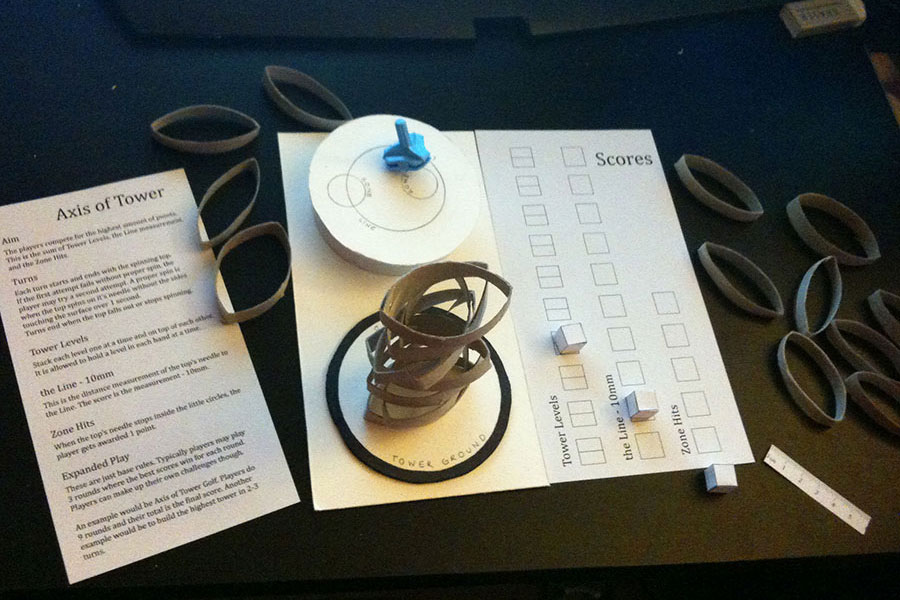
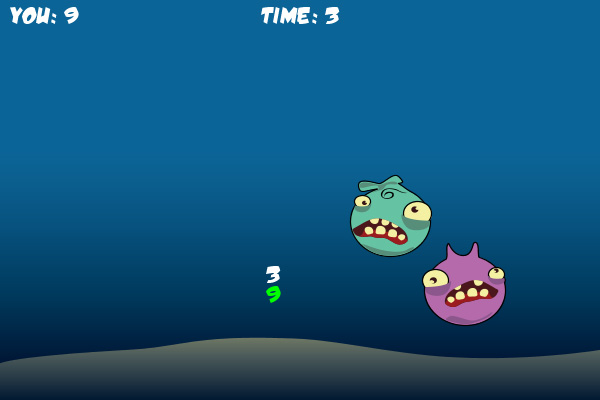 Our initial prototype started out with first attempting to discover motivations in play. We then shifted to a digital prototype in order to allow for faster playtests and iterations we could easily track.
Thoughts and findings
From the summarized data we have collected we have noticed that one of the main features people wanted in games was feedback on what and how they were doing, whether it was an action or where their competition was.
My experience of collaborating with another person on a thesis was both fascinating and allowed me to learn a lot. We both supported each other's inputs and allowed for feedback from each point in the process of writing about what we understood and thought.
It also opened each of us to think about things we normally would not without the other bringing it up.
The findings themselves were not so surprising, but did help confirm some of our suspicions concerning why leaderboards were compelling. Today that aspect alone is less exciting to most players because leaderboards allow for anyone online (with an internet connection) to compete. This makes the scores less meaningful to those who do not know a lot of the other players.
There have been interesting developments which change how players interact with leaderboards. Introduction to local scoreboards, dailies, performance histograms, statistics on what other players have chosen and even social features that allow for easily sharing a player's score or progress allow for new interactions online with others.
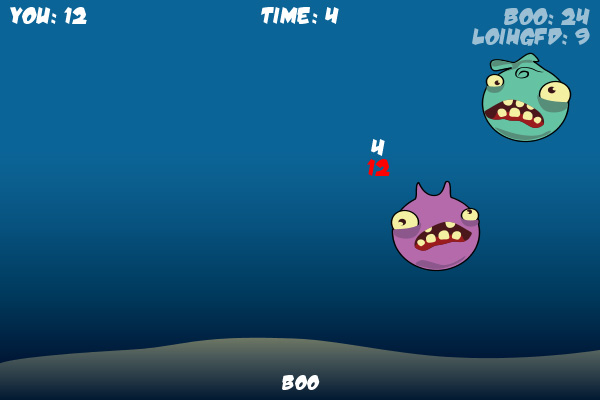
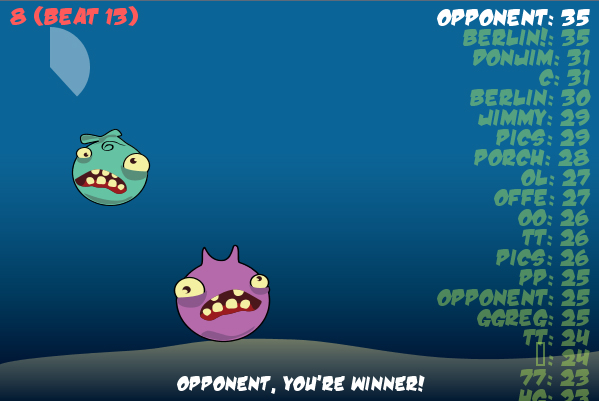 Some in-progress shots of some of the testing made and our improvements over time.
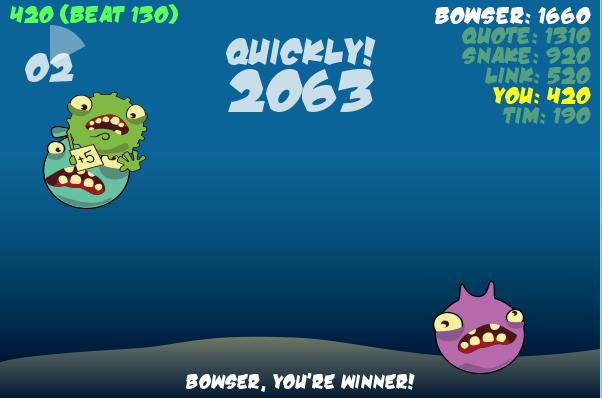 There is a bug where the added timer variable does not reset properly every subsequent playthrough, making it harder and harder to continue playing over the limited time. Restarting the application fixes that issue.
The abstract
Our thesis revolves around how intrinsically motivational incentives can be created by using gameplay elements and features instead of creating motivation with extrinsically mediated rewards. We find problems with achievement systems being too focused on rewarding players extrinsically instead of adding to the increase in motivation along with the gameplay experience. Using theories from the psychology field on motivation we created a foundation from which we started to design a game that creates motivation through its features and mechanics. From the feedback we received on our user testing and interviews, all within an iterative design process, we found that users responded more positively to our suggested improvements concerning the high score list feature in particular, followed by general gameplay features like visual feedback.
